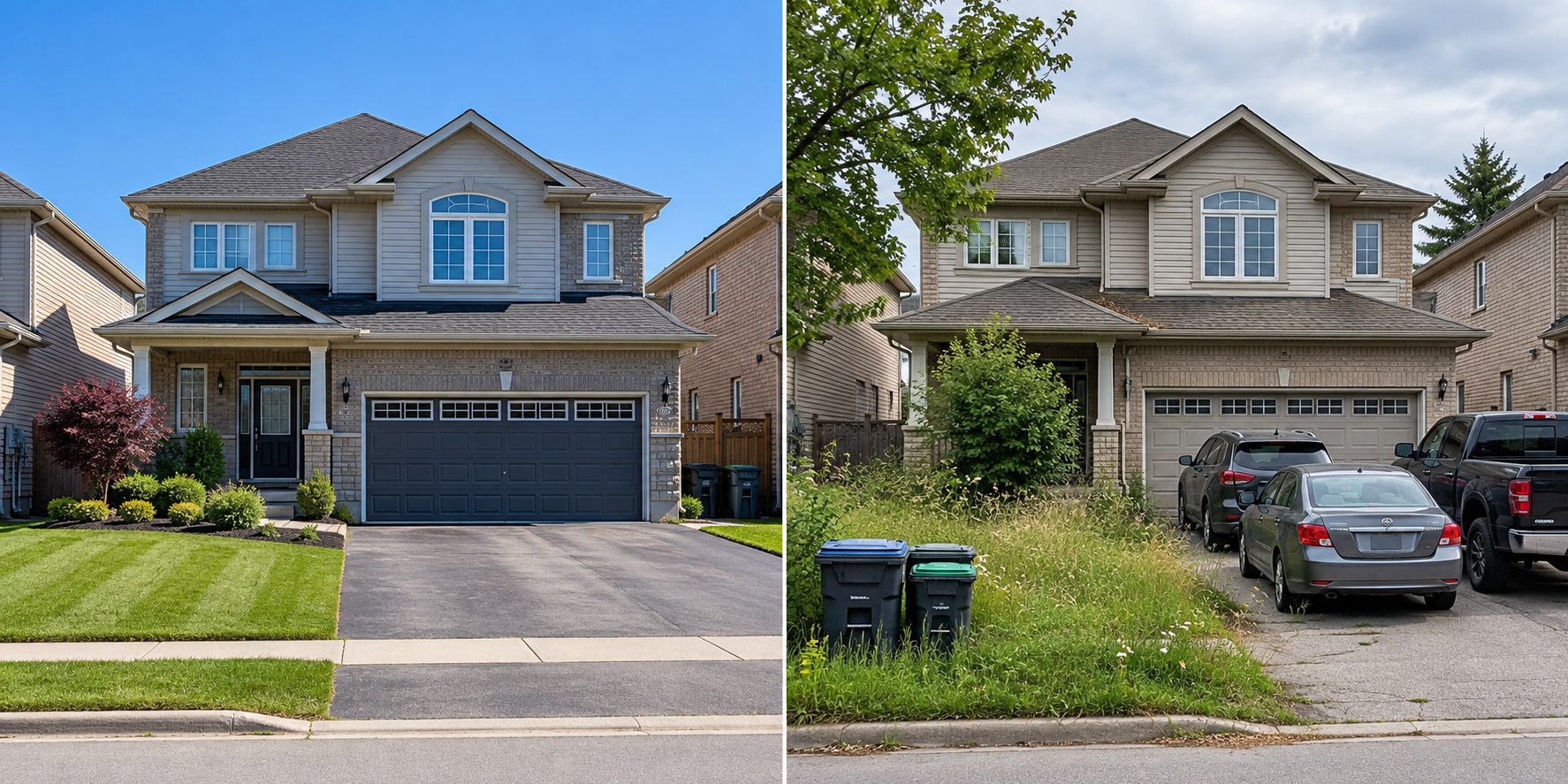
As I continue speaking with Ward 1 residents, rental properties and absentee landlords have come up in several conversations.
Some residents are concerned about properties where garbage accumulates, grass and weeds aren’t maintained, parking becomes an issue, or a property gradually becomes an eyesore for the surrounding neighbourhood.
I’ve also spoken with rental-property owners who have experienced the other side of the issue. They have tried to maintain their properties but have dealt with serious damage, unsafe conditions or occupants who have not properly cared for the home.
This isn’t as simple as blaming landlords or tenants.
Barrie needs rental housing. We also need rental properties to be safe, properly maintained and respectful of the neighbourhoods they’re part of.
Barrie Is Adding More Rental Units to Existing Neighbourhoods
One reason this conversation is becoming increasingly important is the changing way housing can be created in Barrie.
In April 2024, Barrie changed its zoning rules to permit up to three additional residential units on a residential lot, for a maximum of four residential units in total, subject to applicable requirements. The City’s 2024 Growth Report says 245 additional residential units were added in 2024. City of Barrie
Additional residential units can help create more housing within existing neighbourhoods without requiring entirely new subdivisions.
But increasing the number of people living on a property can also create concerns about parking, garbage, noise, property maintenance and how a property fits into the surrounding neighbourhood.
Those concerns shouldn’t automatically stop new housing, but they shouldn’t automatically be dismissed either.
What About Absentee Landlords?
I think we need to be careful about this term.
A property owner doesn’t have to live in the neighbourhood to be a responsible landlord. There are landlords who live elsewhere and take excellent care of their properties.
The issue should be the condition and management of the property, not where the owner lives.
If a rental property has ongoing garbage, property-maintenance, safety or other problems affecting the surrounding community, residents should know where to report them and what the City can do.
At the same time, we shouldn’t automatically assume a poorly maintained property means the landlord isn’t doing their job.
Landlords and Tenants Both Have Responsibilities
Ontario’s rental rules put responsibilities on both sides.
Landlords are responsible for keeping rental properties in a good state of repair, fit for habitation and compliant with applicable health, safety, housing and maintenance standards. Tribunals Ontario
Tenants also have responsibilities. According to the Landlord and Tenant Board, tenants must maintain ordinary cleanliness and are responsible for repairing or paying for damage caused by themselves, their guests or other occupants that goes beyond normal wear and tear. Serious cleanliness or clutter issues can also become a health or safety concern. Tribunals Ontario
That’s an important distinction.
I’ve heard from property owners who have experienced serious situations involving damage and unsafe behaviour. We need a system that protects tenants from landlords who fail to maintain their properties while also recognizing situations where a responsible property owner is trying to deal with problems caused by an occupant.
See a Property-Standards Problem in Your Neighbourhood?
Barrie residents have a way to report these concerns.
The City’s Property Standards Complaint Record specifically identifies issues including:
- Garbage and debris
- Long grass and weeds
- Exterior maintenance
- Interior issues
- Boarding, lodging or second-suite concerns
- Derelict or unplated vehicles
- Other property-standard concerns
The City’s form lists Barrie Enforcement Services at 705-739-4241. City of Barrie
City of Barrie Property Standards Complaint Form
If you’re reporting an issue, I recommend documenting what you’re observing, including the address, dates and the specific concern rather than simply reporting that a property “looks bad.”
What If You’re a Tenant Living in Poor Conditions?
If you’re renting and there is a maintenance problem, the Landlord and Tenant Board recommends first notifying your landlord in writing and keeping a copy of the request.
If the landlord doesn’t address the problem within a reasonable time, a tenant can report the problem to the municipality, apply to the Landlord and Tenant Board, or do both. A municipality may inspect a property for by-law violations and potentially issue a notice or work order requiring repairs. Tribunals Ontario
Landlord and Tenant Board — Maintenance and Repairs
One important point for tenants: the Landlord and Tenant Board says tenants should not simply withhold rent because they believe repairs haven’t been completed. There are formal processes available through the LTB. Tribunals Ontario
What If You’re a Landlord Dealing With Property Damage?
Property owners have options as well.
If an occupant isn’t maintaining ordinary cleanliness to the point that it creates a health or safety problem, or if the tenant or their guests damage the property, the Landlord and Tenant Board provides processes for landlords to address the situation.
The LTB says a tenant can be responsible for damage caused intentionally or through negligence, while normal wear and tear remains the landlord’s responsibility. Tribunals Ontario
Landlords should document problems carefully, including photographs, dates, communications, repair invoices and estimates where appropriate. The LTB’s application instructions specifically discuss evidence and claims for undue damage caused wilfully or negligently. Tribunals Ontario
Landlord and Tenant Board — Landlord Information and Applications
What If There’s an Immediate Safety Issue?
Property standards and landlord-tenant disputes are different from emergencies.
If there is an immediate threat to someone’s life or safety, call 911.
For non-emergency property-standard concerns, use the City’s enforcement process. For disputes between a landlord and tenant that fall under Ontario’s Residential Tenancies Act, the Landlord and Tenant Board is the appropriate provincial body.
Knowing which system to use can help get a concern to the right people sooner.
Where Do We Go From Here?
Before proposing another layer of regulation, I want to better understand what is happening with rental properties in Barrie.
How many complaints is the City receiving?
How quickly are they being resolved?
Are the same properties generating repeated complaints?
Are existing enforcement tools working?
Are there situations where responsible landlords are struggling to address occupant-caused problems?
And are there rental properties where tenants and neighbours have repeatedly reported legitimate concerns without seeing results?
Those answers matter.
I am open to looking at additional measures if we identify a gap in the current system, including whether some form of proactive rental-property inspection would improve conditions. But I don’t want to introduce another program simply because another municipality has one.
We should identify the problem first and then determine the most effective way to address it.
Safe Housing and Strong Neighbourhoods Shouldn’t Be Opposing Goals
Barrie needs more housing.
Tenants deserve homes that are safe and properly maintained.
Neighbours deserve properties on their streets to meet reasonable community standards.
And responsible landlords deserve a system that recognizes they can also face difficult situations with occupants and property damage.
Those things can all be true at the same time.
The question I want us to answer is:
How do we encourage responsible people to provide much-needed rental housing while holding both property owners and occupants accountable when their actions negatively affect the property or surrounding neighbourhood?
That’s a conversation worth having as Barrie continues to grow.
Brent Bowser
Candidate for Ward 1 Councillor
Working for Ward 1. Together.